Integrating genomics, molecular biology, bioinformatics, and computational intelligence to personalize cancer care.
Cancer is not a single disease.
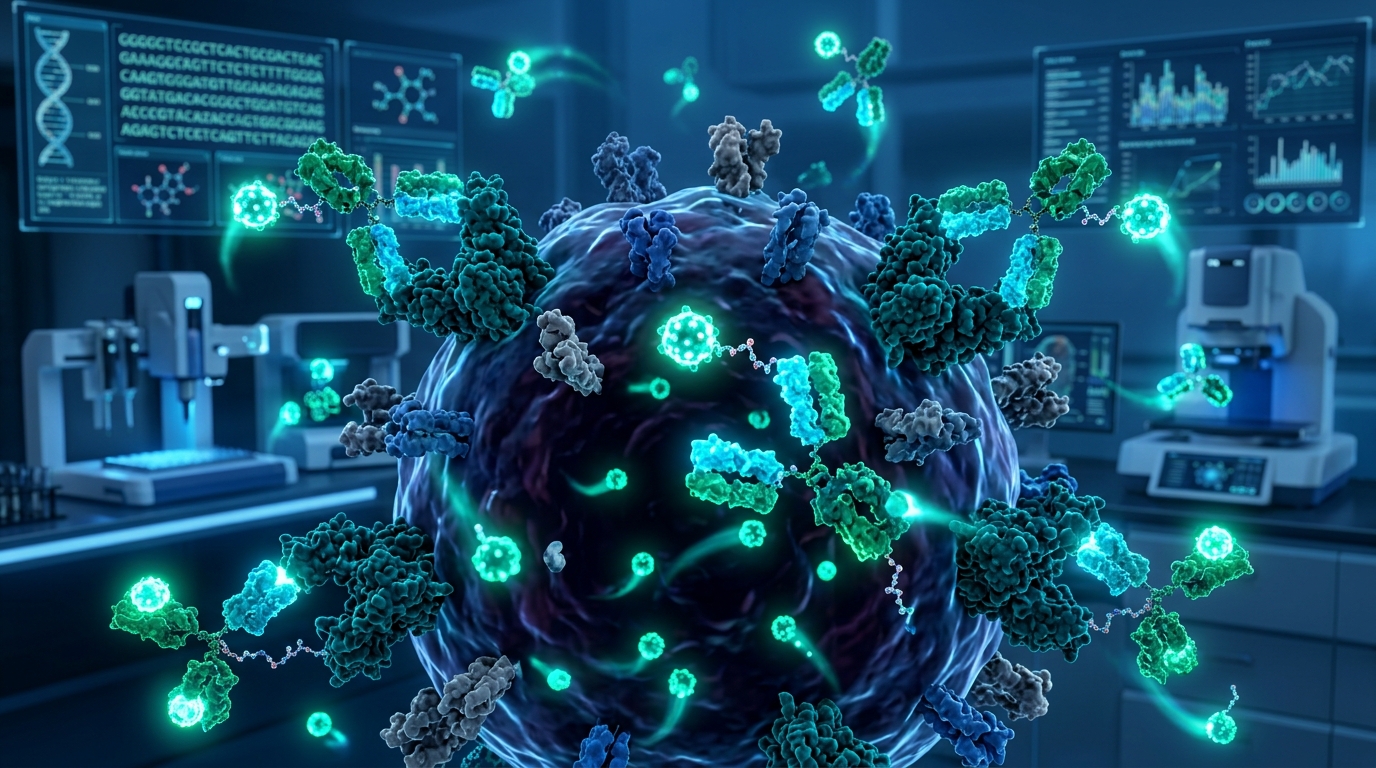
Even when two patients are diagnosed with the same cancer type, their tumours can have different genetic alterations, molecular pathways and biological behaviours. Precision oncology seeks to understand these differences.
By combining these disciplines, it becomes possible to investigate the molecular characteristics of individual cancers. Shansons Precix focuses on the scientific potential of precision oncology to support:
Understanding How Genetics Influences Treatment Response.
Patients can respond differently to the same medicine. Genetic differences can influence:
Shansons Precix explores cancer pharmacogenetics as a pathway towards more informed treatment decisions. Our research focus includes:
Evaluating inherited polymorphic variants to predict therapeutic window and clear drug metabolites safely:
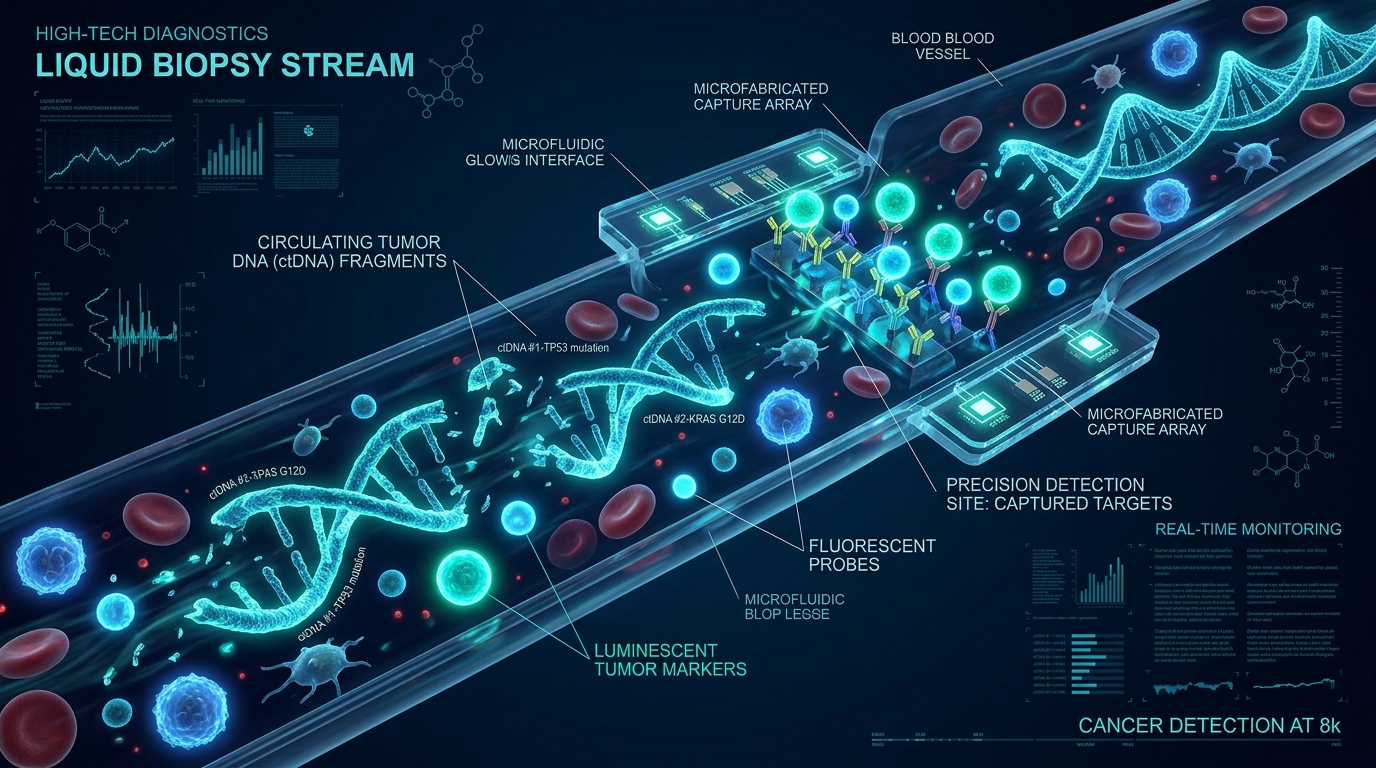
Cancer can release biological material into the bloodstream.
Liquid biopsy explores the possibility of analysing this circulating material through a minimally invasive blood-based approach.
Reading the Genetic Blueprint
Next-Generation Sequencing, or NGS, enables large amounts of genetic information to be analysed efficiently. At Shansons Precix, NGS forms an important part of our precision medicine research framework.
Turning Genomic Data Into Biological Insight
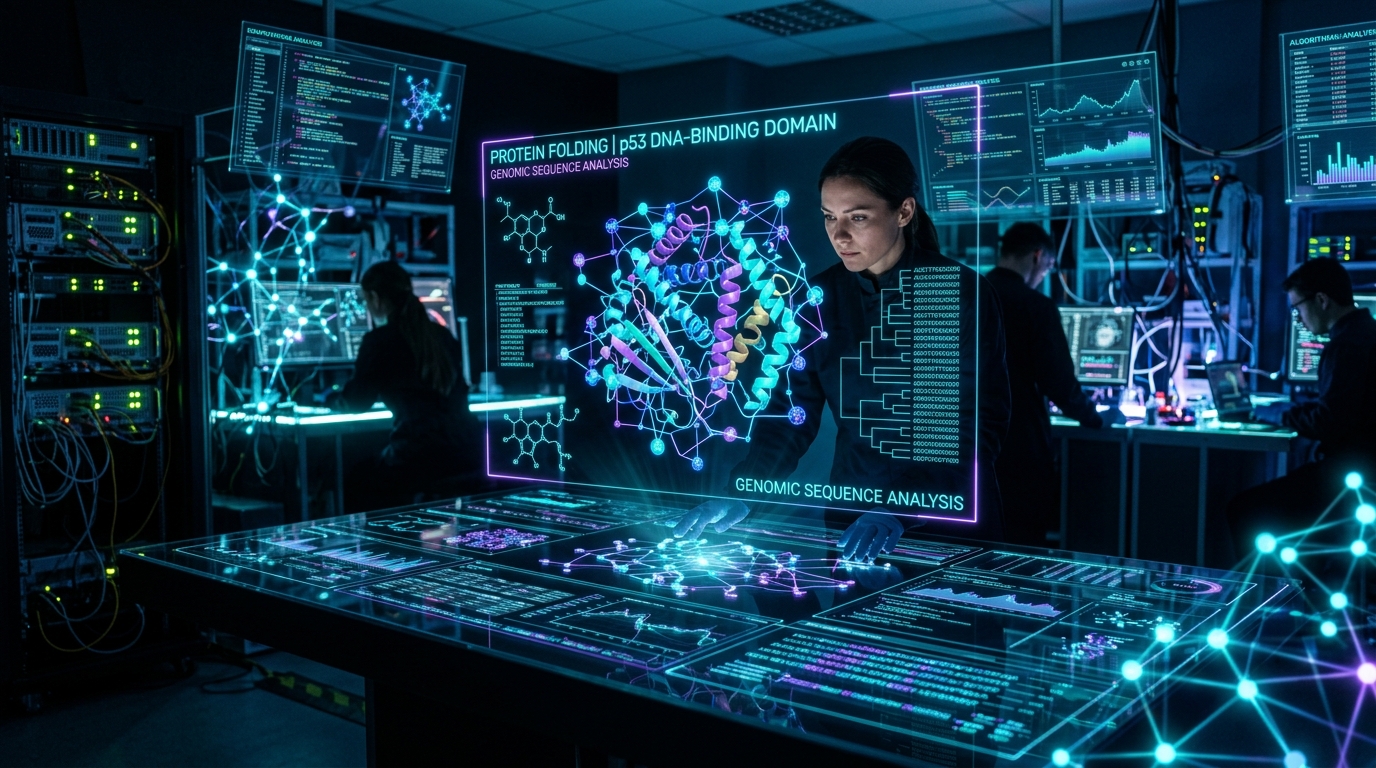
Modern sequencing technologies generate enormous amounts of biological data. The challenge is not only generating data. The challenge is understanding it. Bioinformatics provides the computational framework required to process, analyse and interpret genomic information.
Applying Intelligence to Complex Biological Data.
The growing scale of genomic and molecular datasets creates opportunities for computational and AI-driven approaches. Shansons Precix positions AI research around:
Our long-term vision is to explore how computational intelligence can complement genomic and molecular science to accelerate precision medicine research.
Diagnose the Biology, Not Just the Disease
Cancer diagnosis is evolving beyond identifying where a tumour originated. Molecular information provides critical insight into the biological characteristics of a tumour.
Designing the Future of Personalised Cancer Immunity
The biological characteristics of cancer can vary significantly between individuals. Personalised vaccine research explores strategies that use individual molecular characteristics to develop targeted immune-based approaches.
Technology That Enables Precision: Precision medicine requires multiple technologies working together seamlessly.
Understanding genetic variation and inherited disease susceptibility.
High-throughput sequencing and comprehensive genomic analysis.
Non-invasive molecular investigation through circulating biomarkers.
Computational processing, quality control, and variant interpretation.
Advanced analysis and pattern discovery across complex biological datasets.
Understanding disease biology at the fundamental molecular level.
Understanding genetic influences on individualized treatment response.